Redod — Our Own SaaS: One Inbox for Every Channel
Redod is a SaaS platform we built and ship in-house. It unifies WhatsApp, Telegram, Messenger, Instagram, and more into one inbox — with team collaboration, role-based access, and custom AI agents that reply exactly the way each business wants. Proof that we don't just design products, we build and run them.
We built the product we needed, then ran it ourselves
Redod is an Arabic-first SaaS platform that pulls customer conversations from every channel into one inbox, with an AI assistant that replies in Arabic, a visual automation engine, appointment scheduling and task management. We designed, built and operate it inside Taqweed from the first line — no external client, no handed-down scope, a product we own outright.
- Role
- Product, design and full development
- Type
- Multi-tenant SaaS platform
- Market
- E-commerce in Egypt and the Gulf
- Stack
- Next.js · TypeScript · Postgres
The problem: five channels, one person
A small merchant today sells on WhatsApp, Instagram, Messenger, Telegram and email at once. That means hopping between five apps, missing a question here, answering late there, and losing sales — not because the product is weak, but because nobody replied in time. The global tools that solve this are either priced beyond a young store, or they understand English and not how an Arabic customer actually writes.
The decision: build it, don't buy it
We could have wired together off-the-shelf tools. We built instead, because the advantage we wanted isn't one you can bolt on later: native Arabic understanding, full control over when the AI speaks and when it stays quiet, and transparent pricing with no hidden margin. Those are architectural decisions you make on day one or never.
One inbox that keeps the context
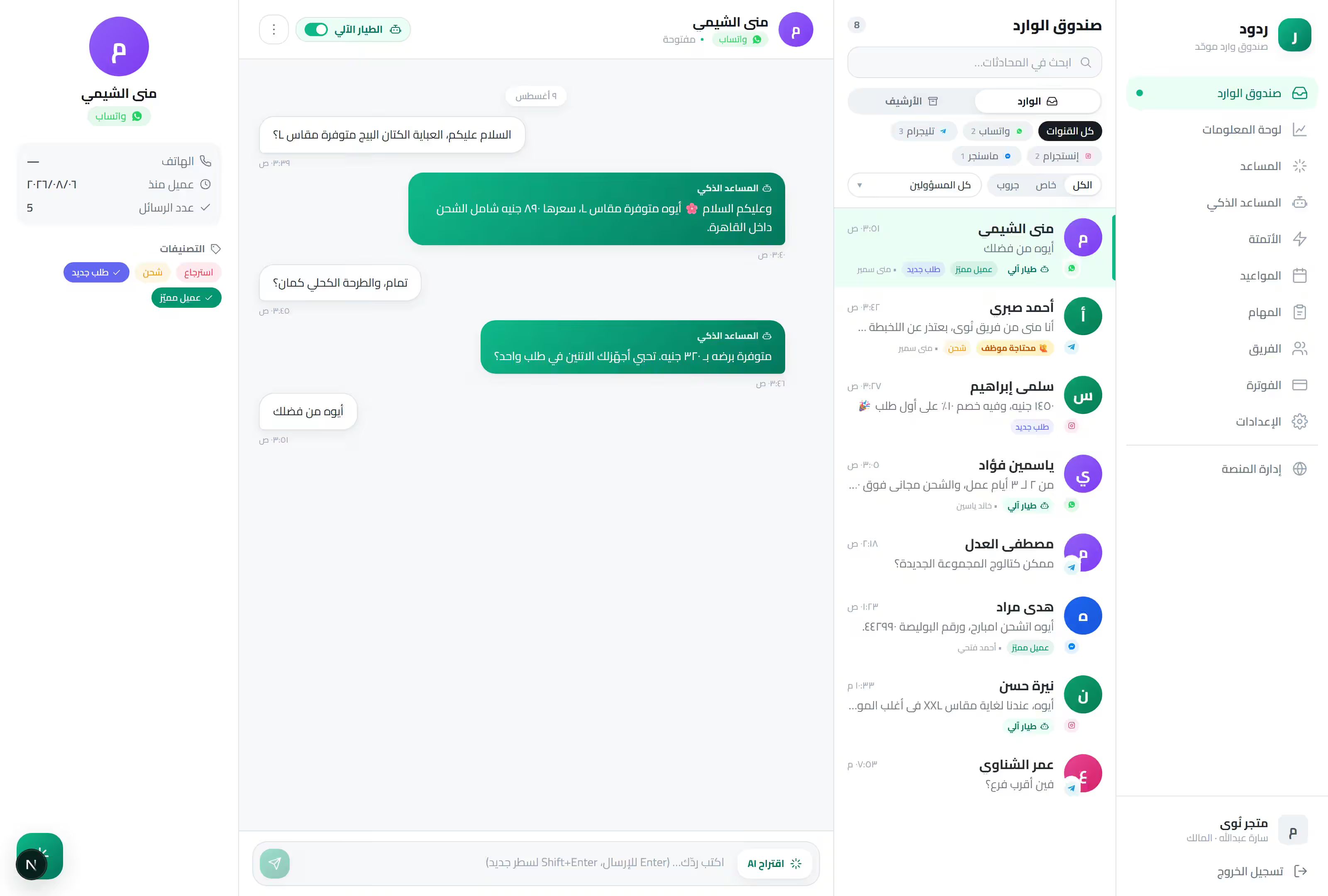
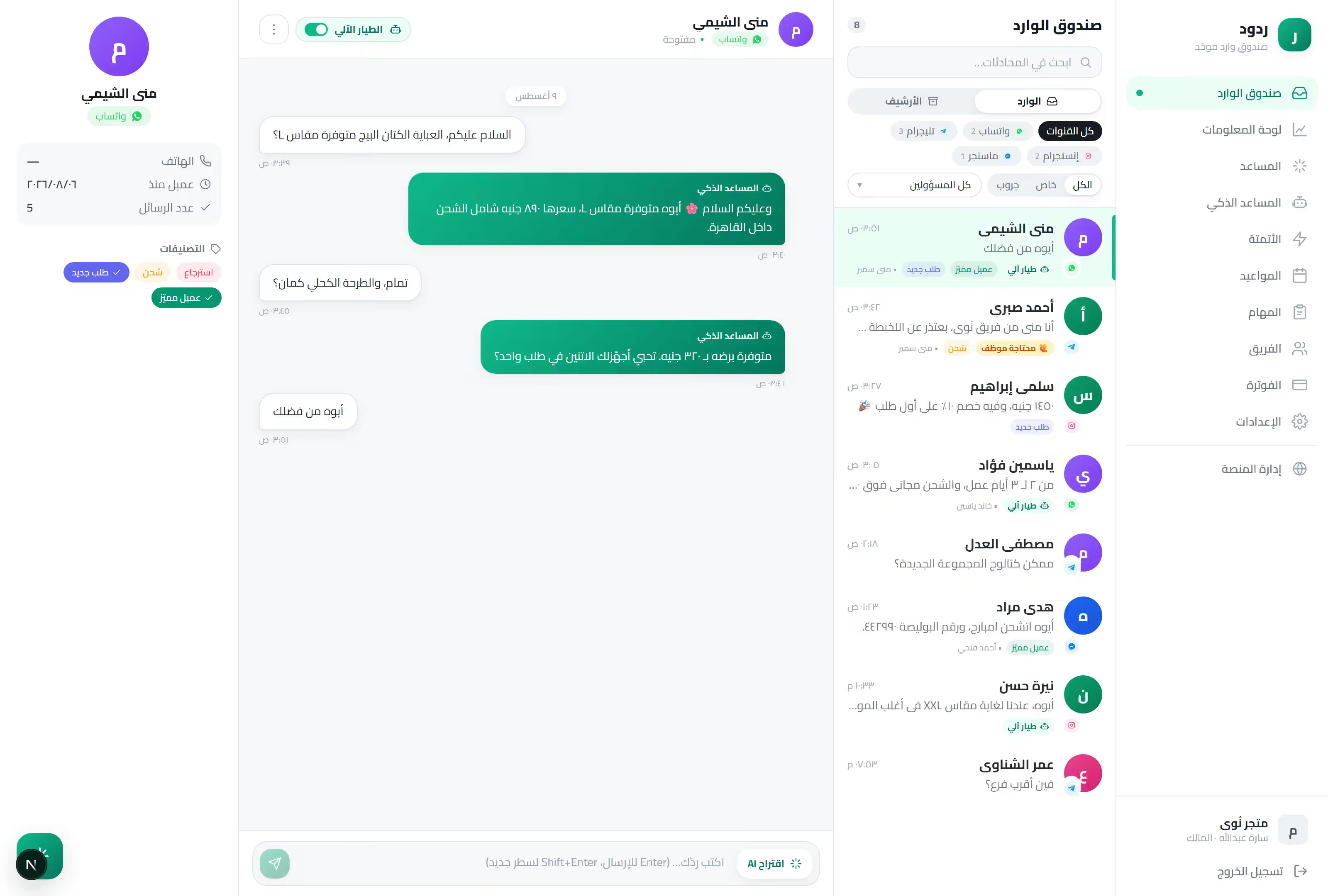
Every conversation lands in a single three-column screen: the list with filters by channel, assignee and status; the thread itself; and a customer context panel. The origin of each message is explicit — customer, teammate, or AI — so automated and human replies never blur for whoever picks the conversation up.
AI the merchant actually controls
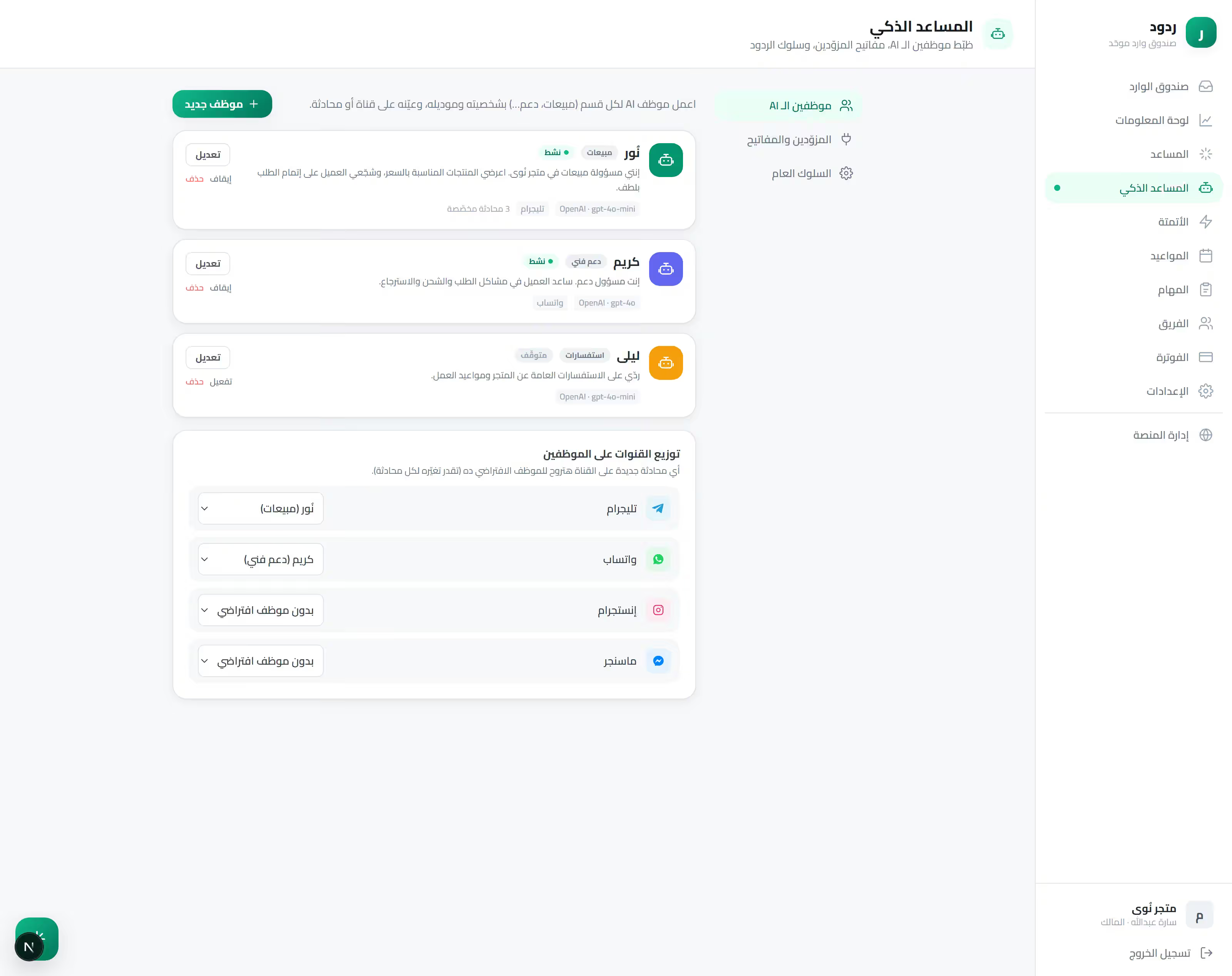
Automatic replying isn't a single switch. Three levels of control: fully automatic, suggest-and-approve, or entirely manual — settable per channel or per conversation. We also introduced the idea of an AI teammate: each department gets its own assistant with its own persona, model and provider, and when it detects frustration or a complex request it hands the conversation to a human instead of pressing on.
Visual automation, no code
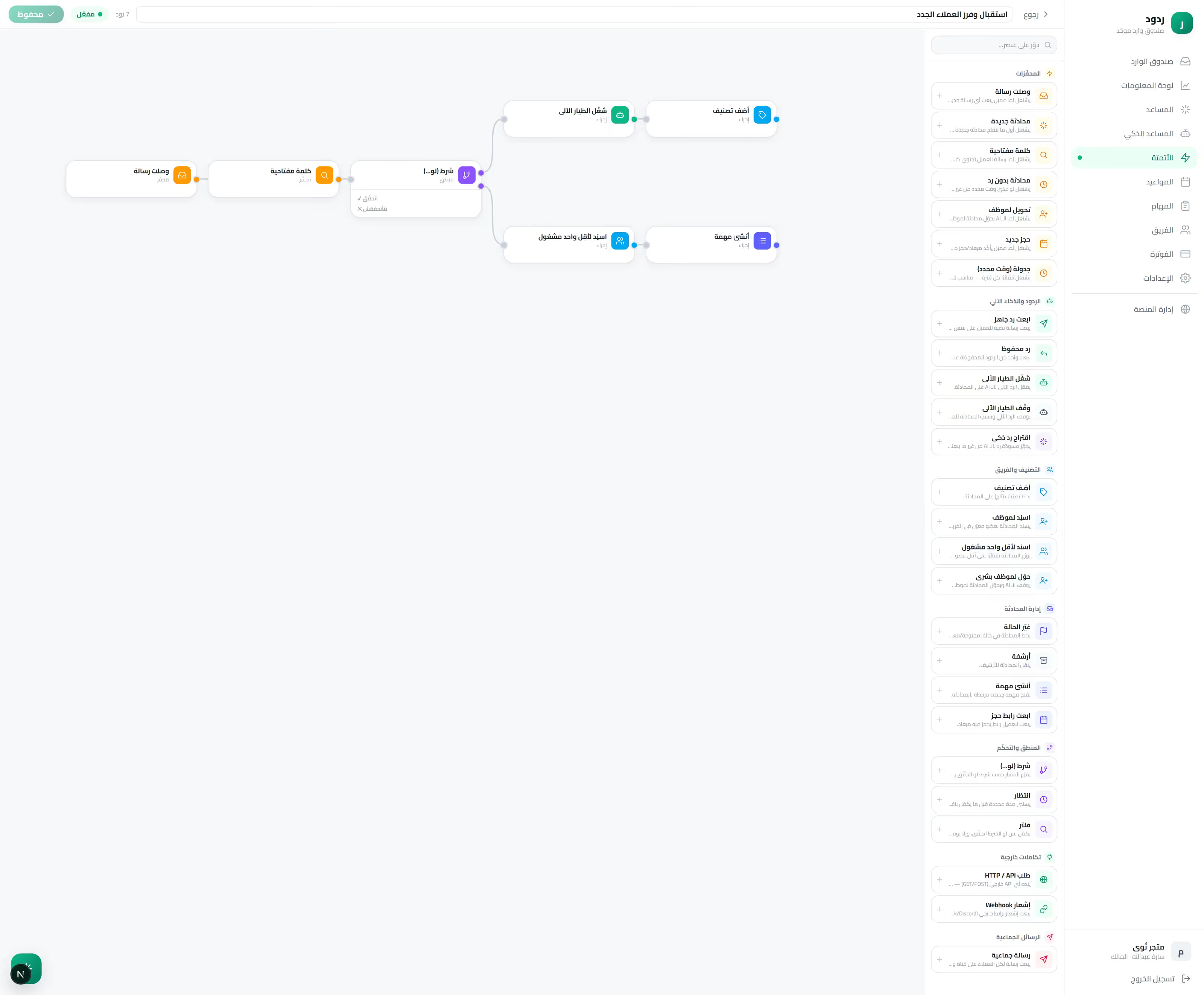
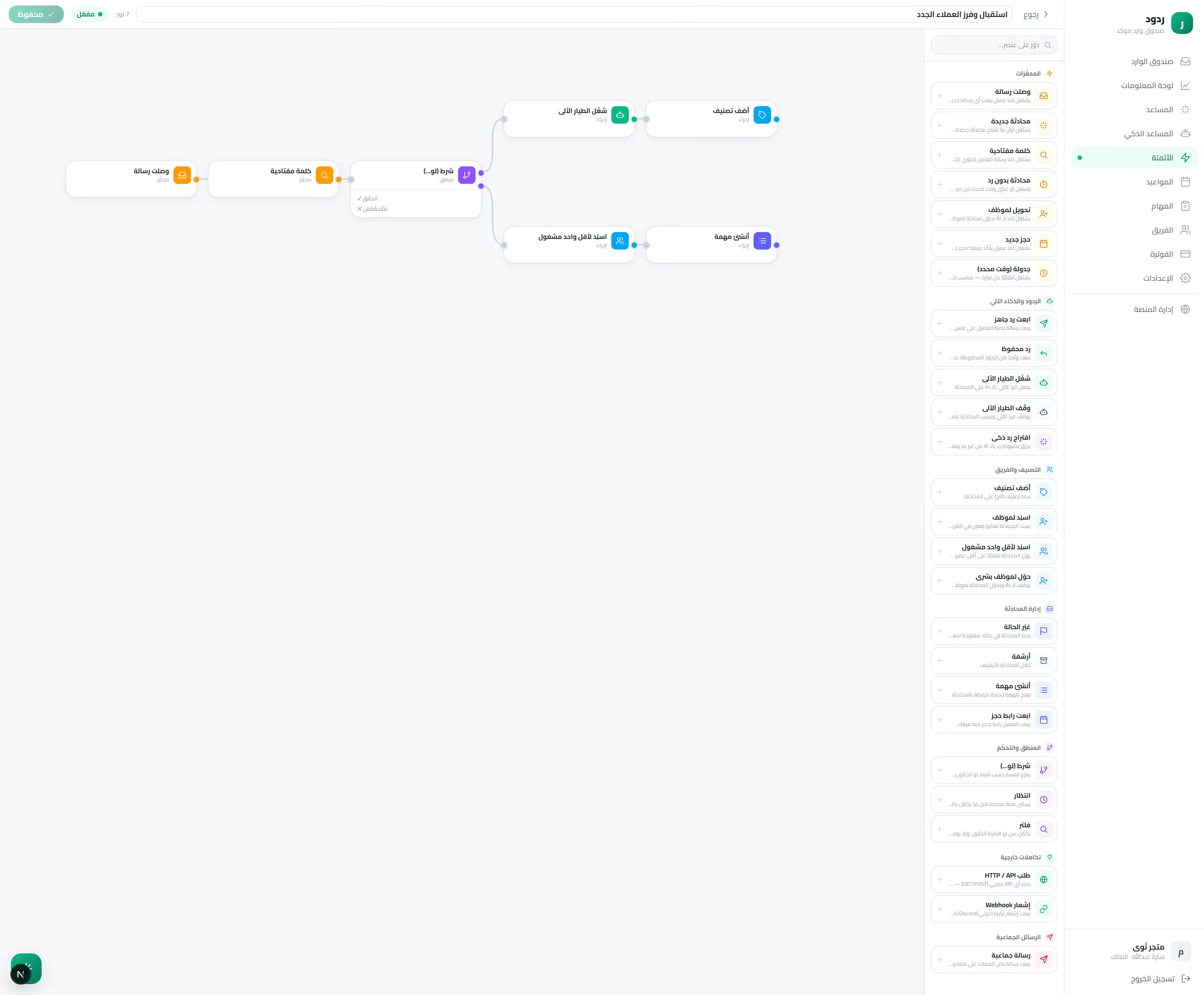
We built an automation engine on a drag-and-drop canvas: pick a trigger such as an incoming message or a conversation left unanswered, then stack steps on it — a branching condition, a delay, assignment to the least busy agent, a tag, a new task, or a call to an external API. The block library ships with sensible defaults, so a flow runs on the first try without configuration.
More than an inbox
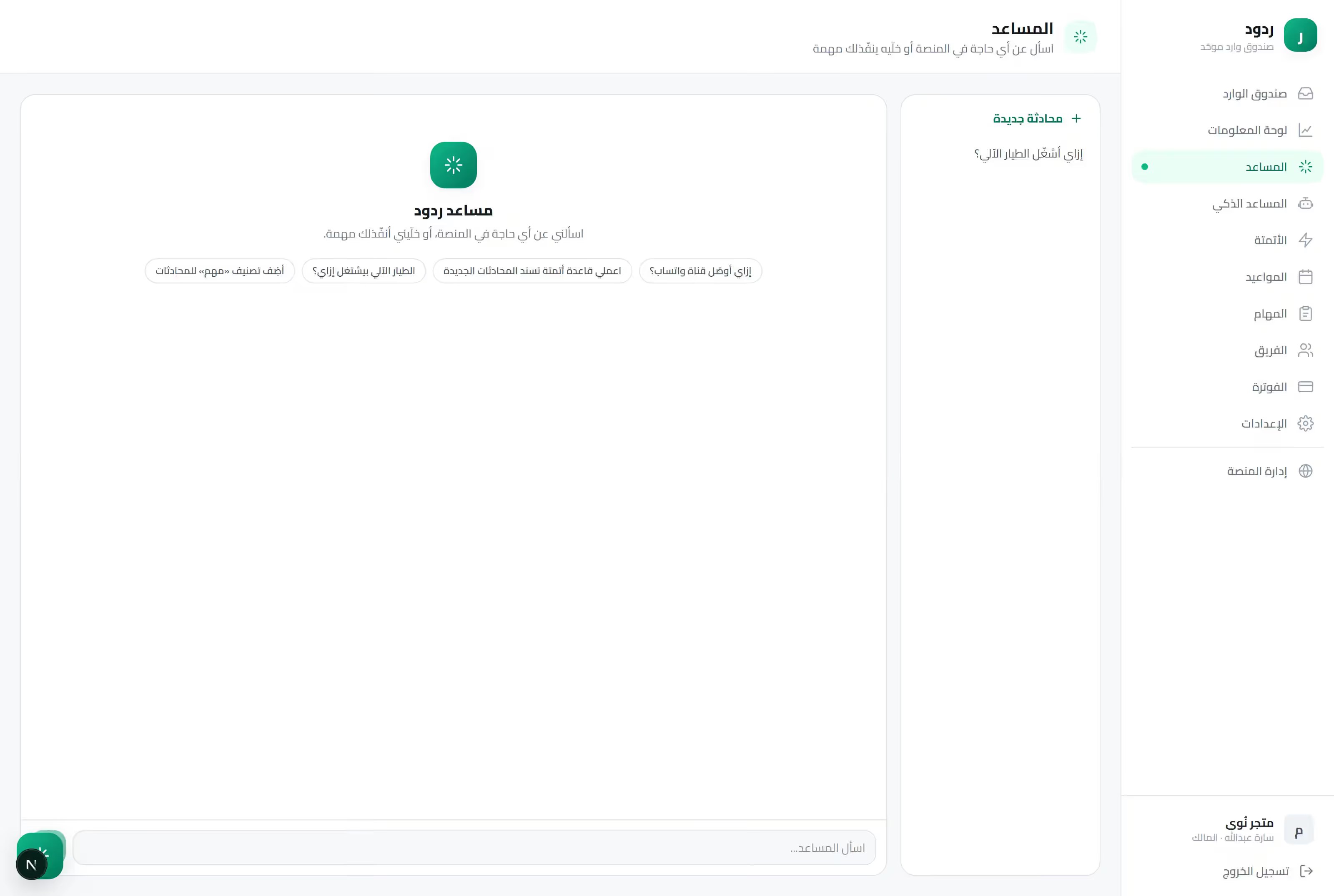
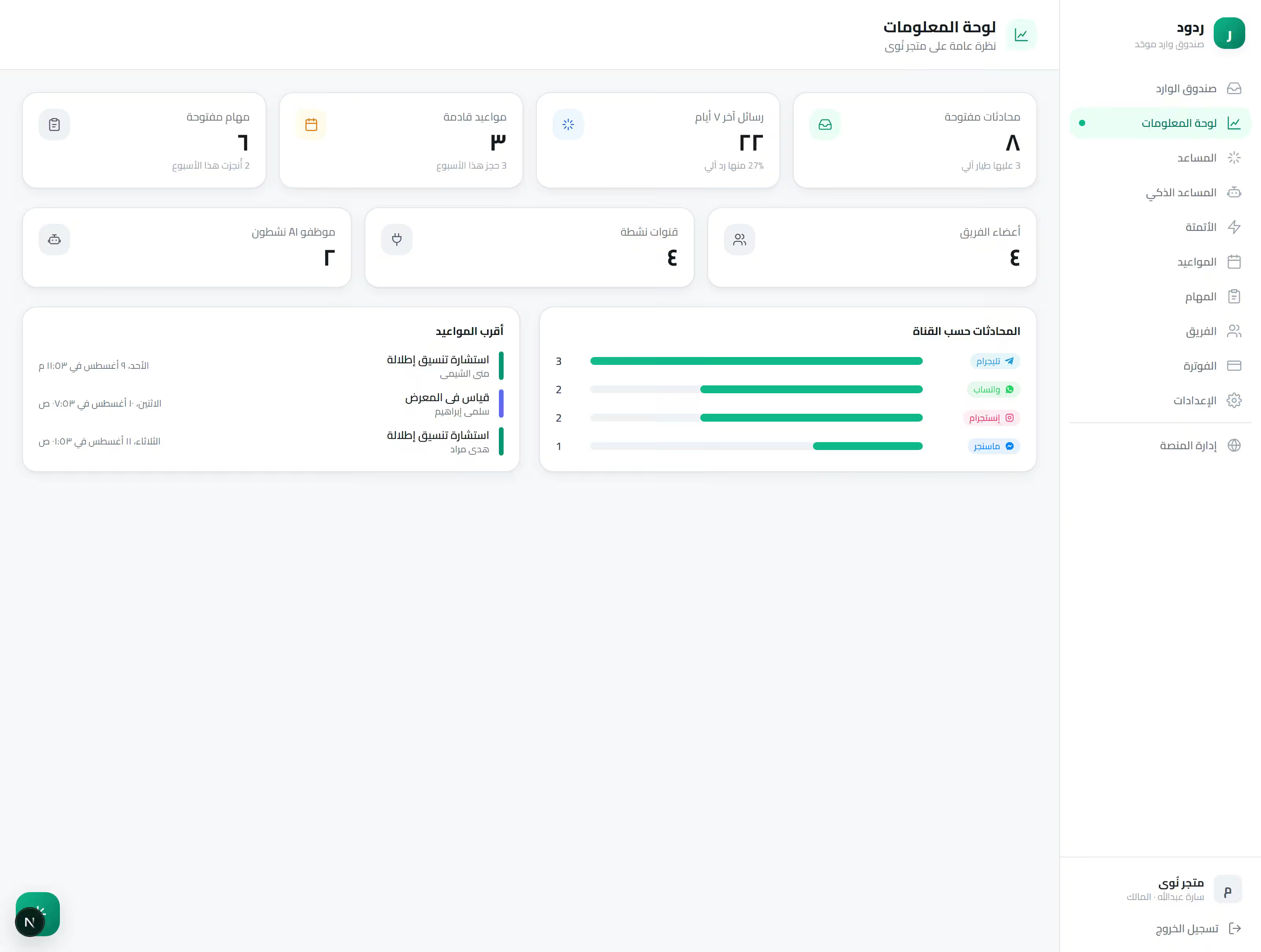
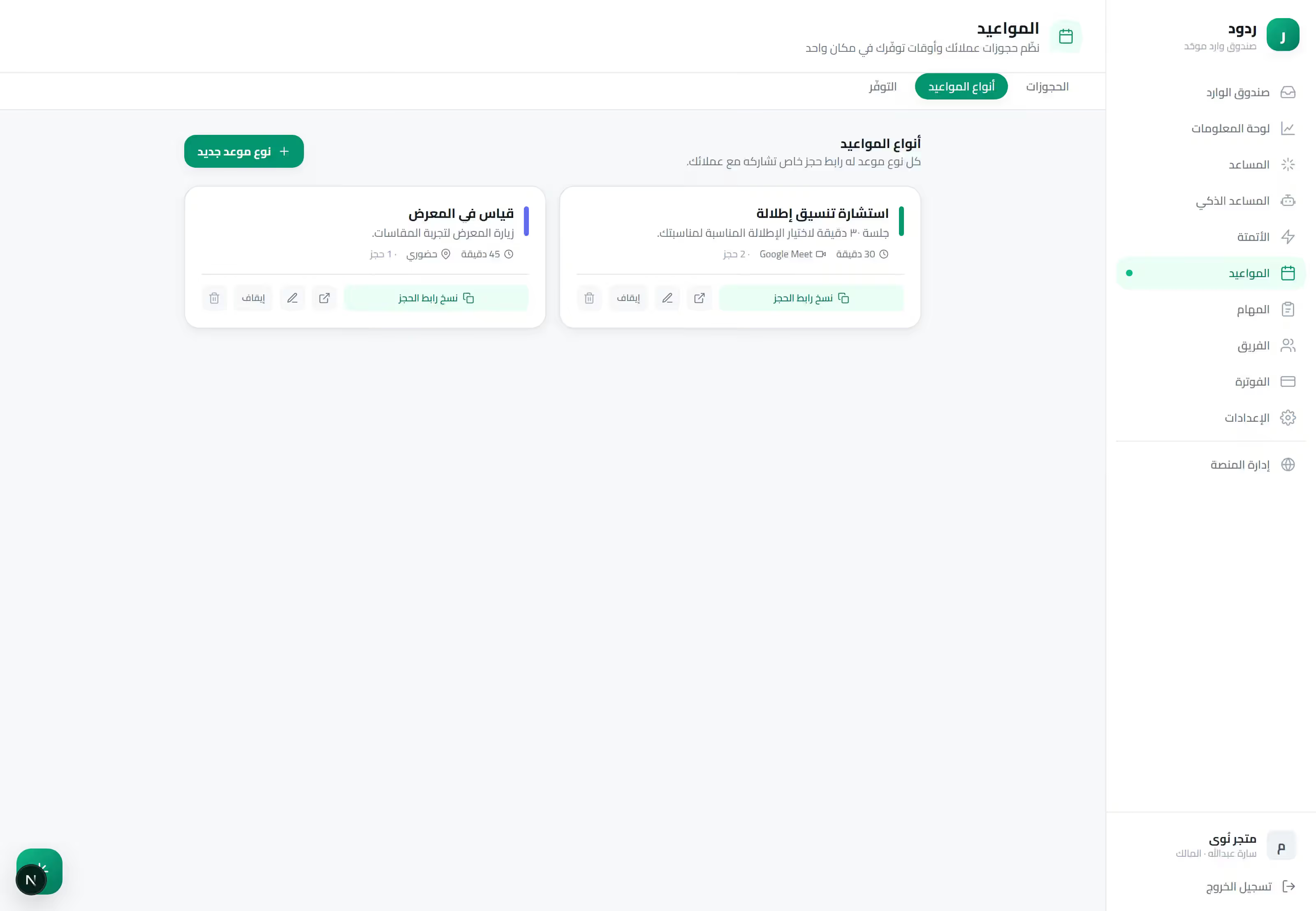
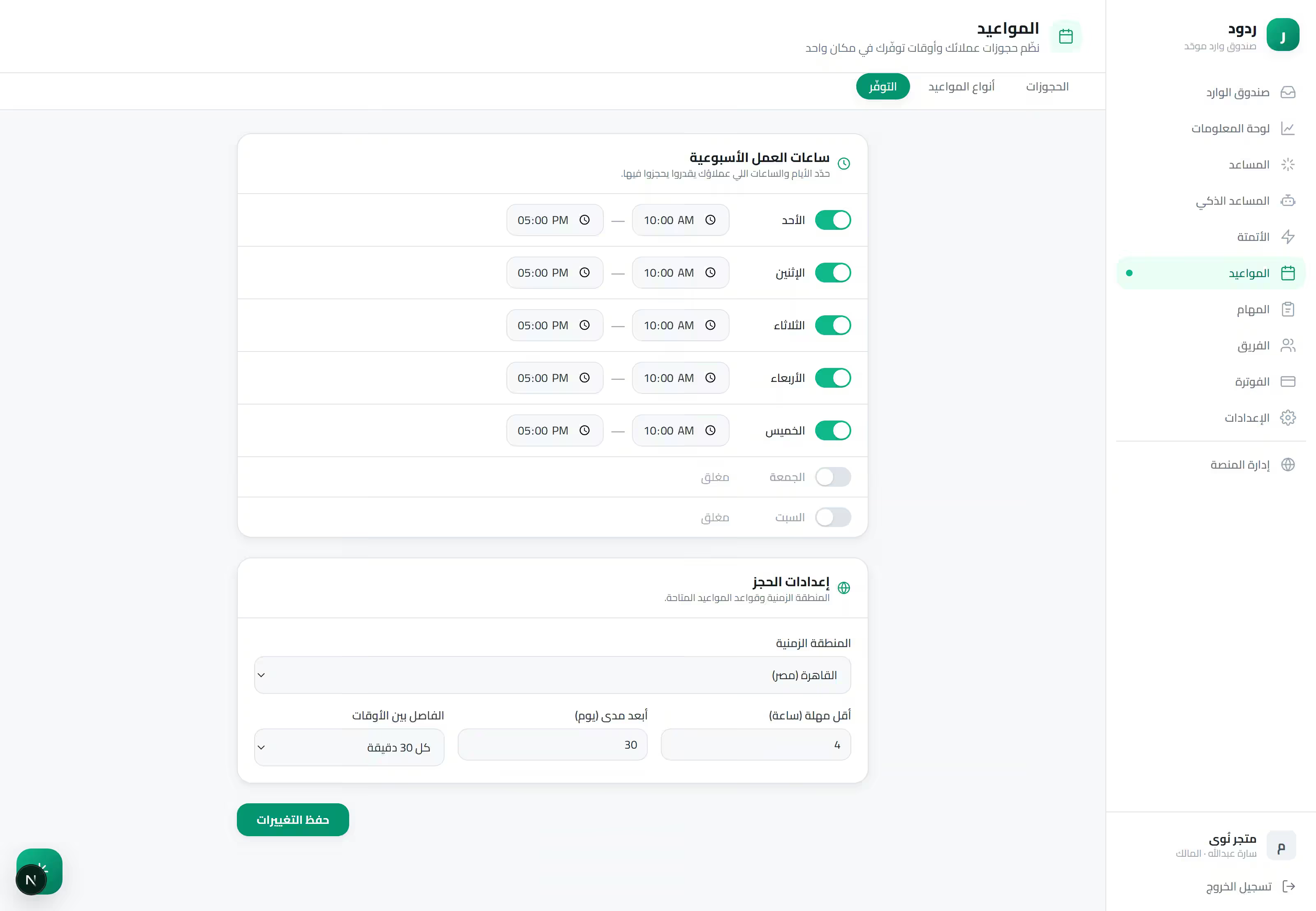
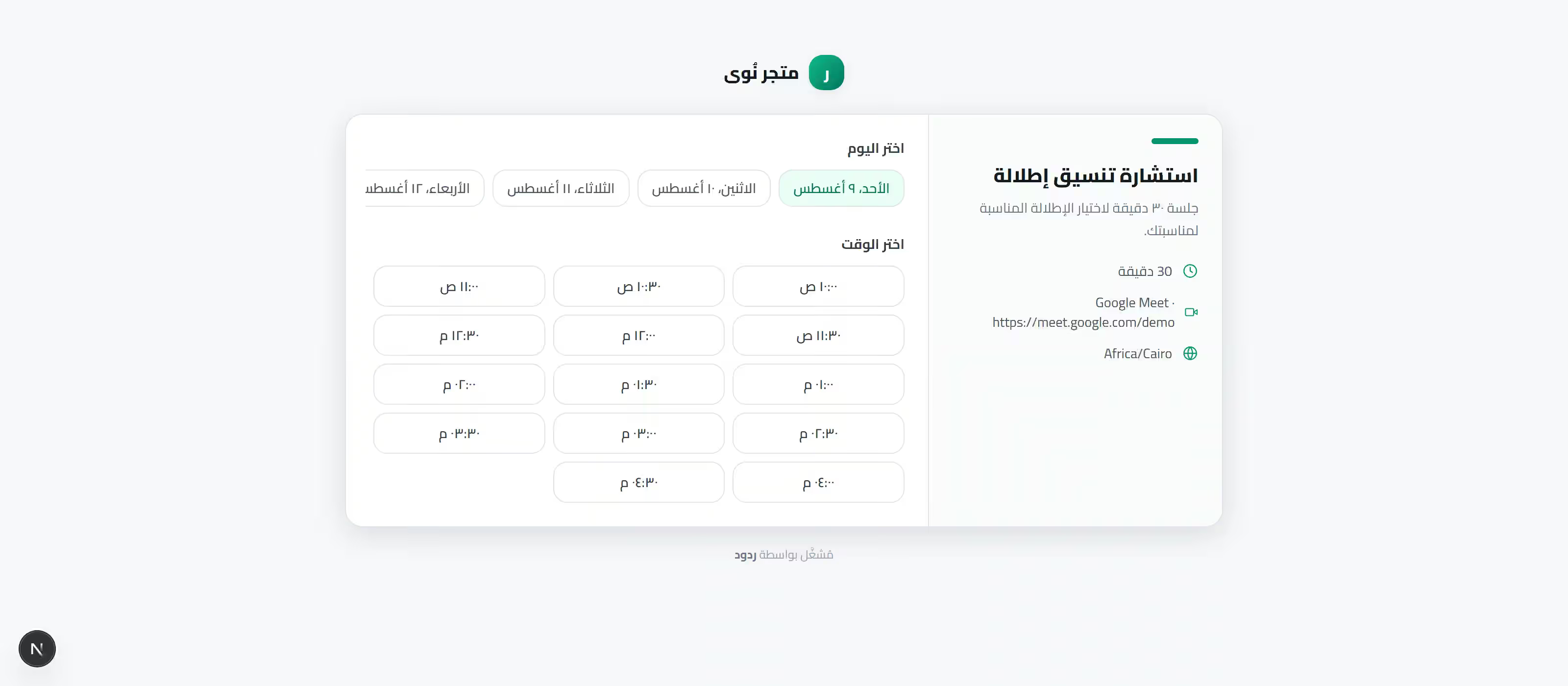
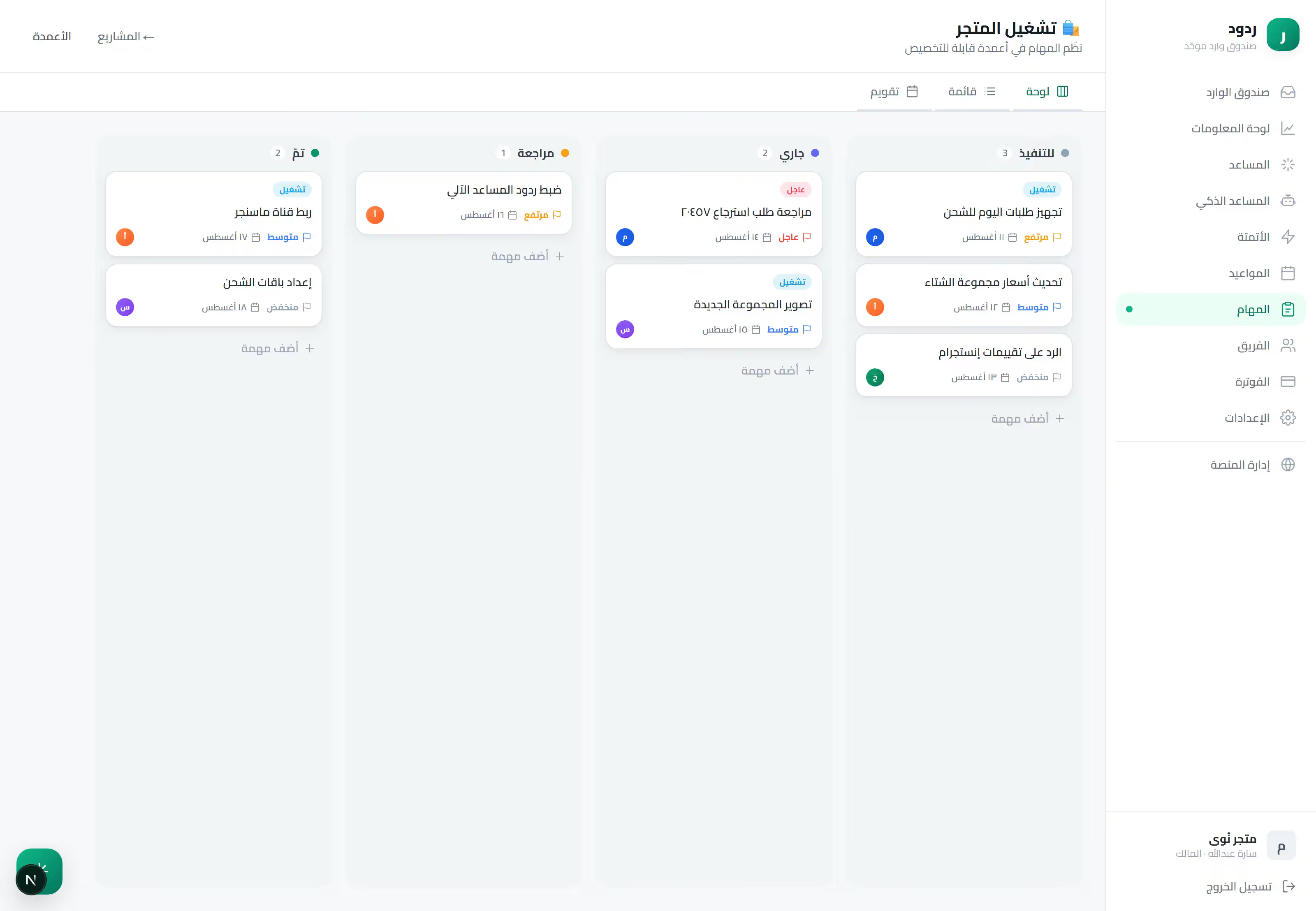
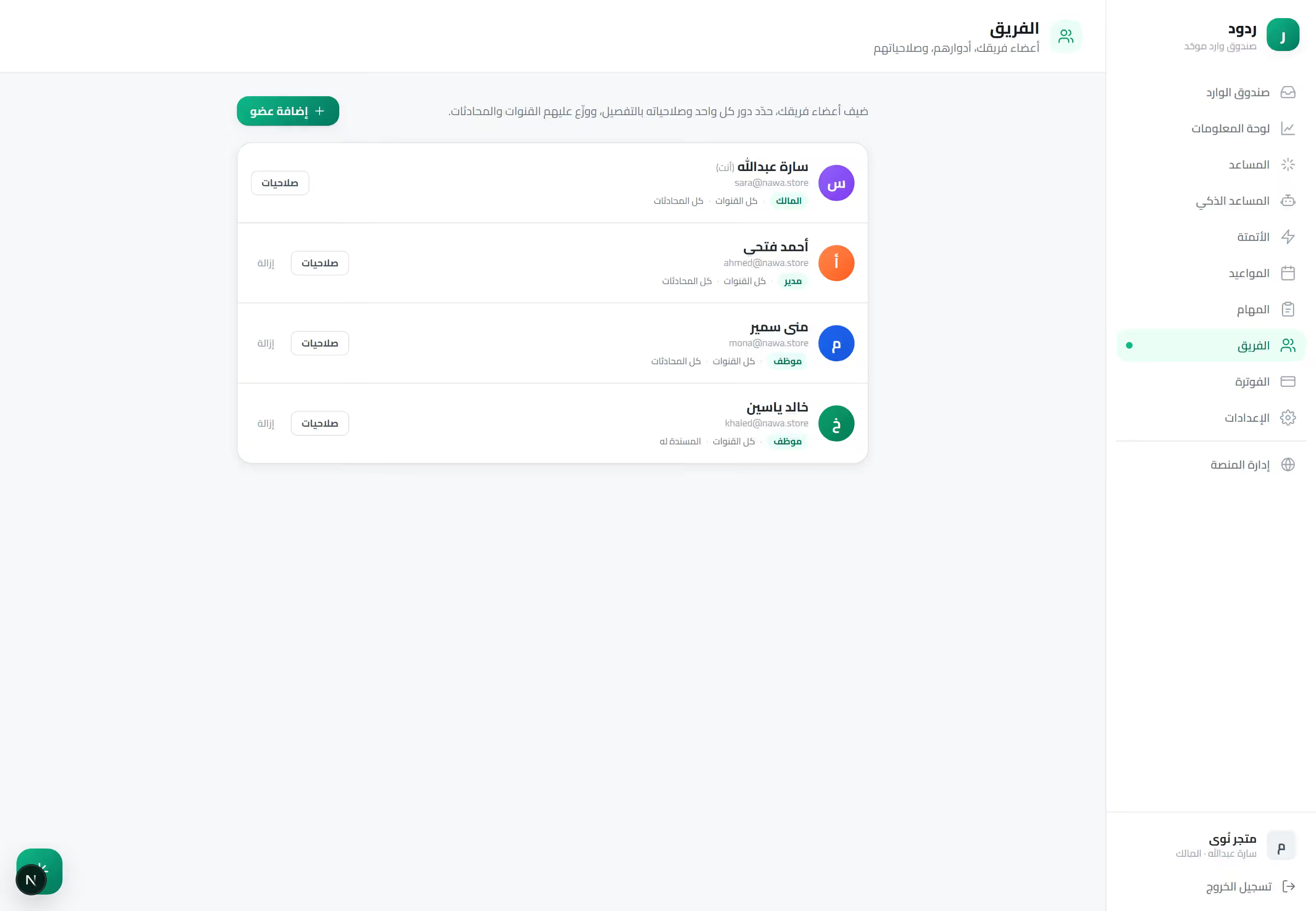
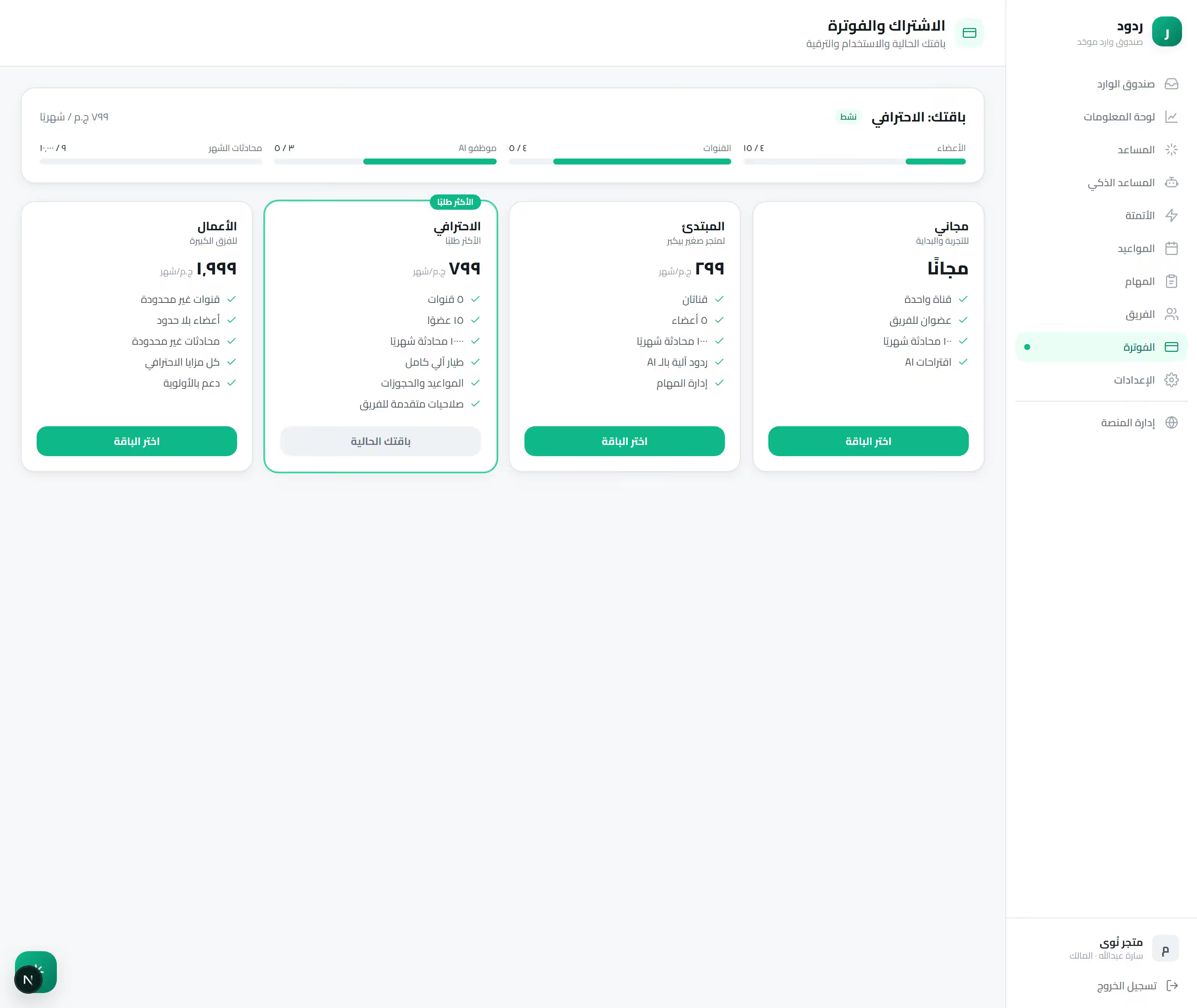
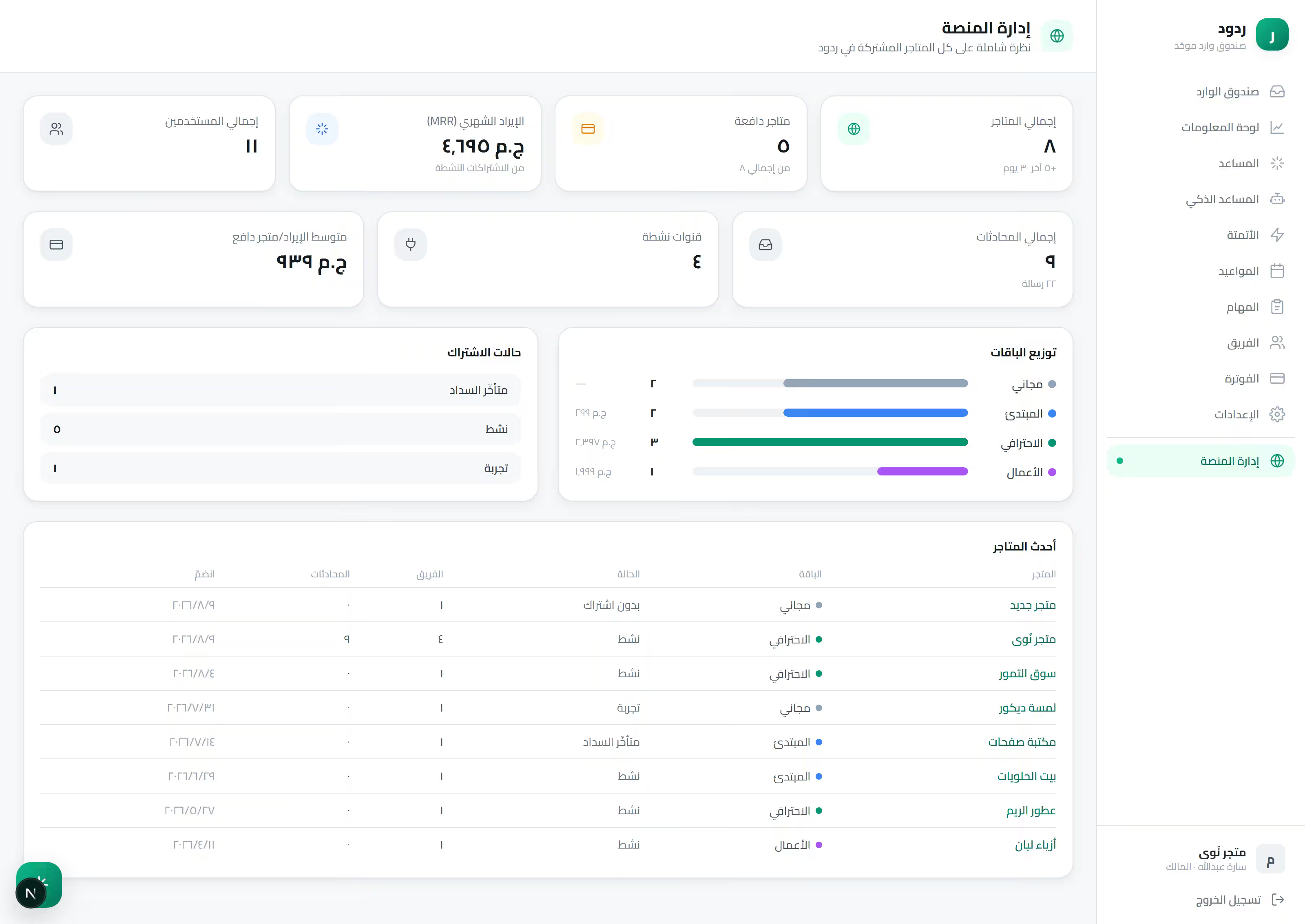
We added what a store genuinely needs around the conversation: scheduling with a public booking page for customers, a Kanban board for the team, fine-grained roles deciding who sees which channel and which conversation, an in-app copilot that answers how-to questions from the product's own documentation, and a full platform admin console.
Why this matters to you as a client
Most agencies show you a design. Redod is practical proof that we take an idea from zero to a running product: data modelling, documented APIs, Arabic-first right-to-left design, multi-tenancy, billing and real operations. What we apply to your project is what we apply to our own product.